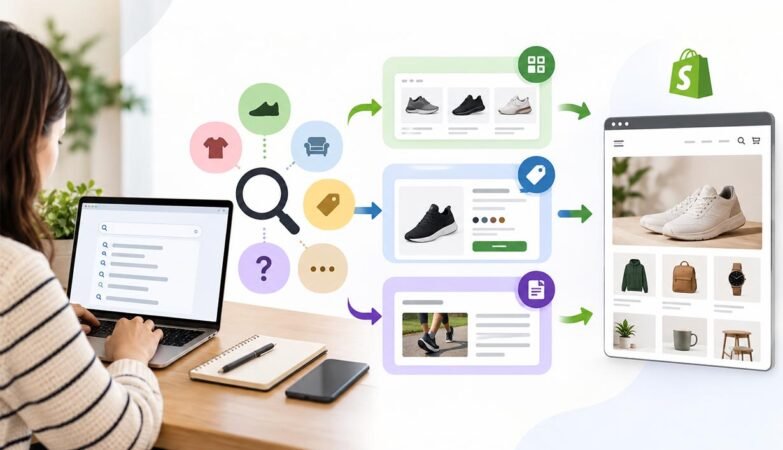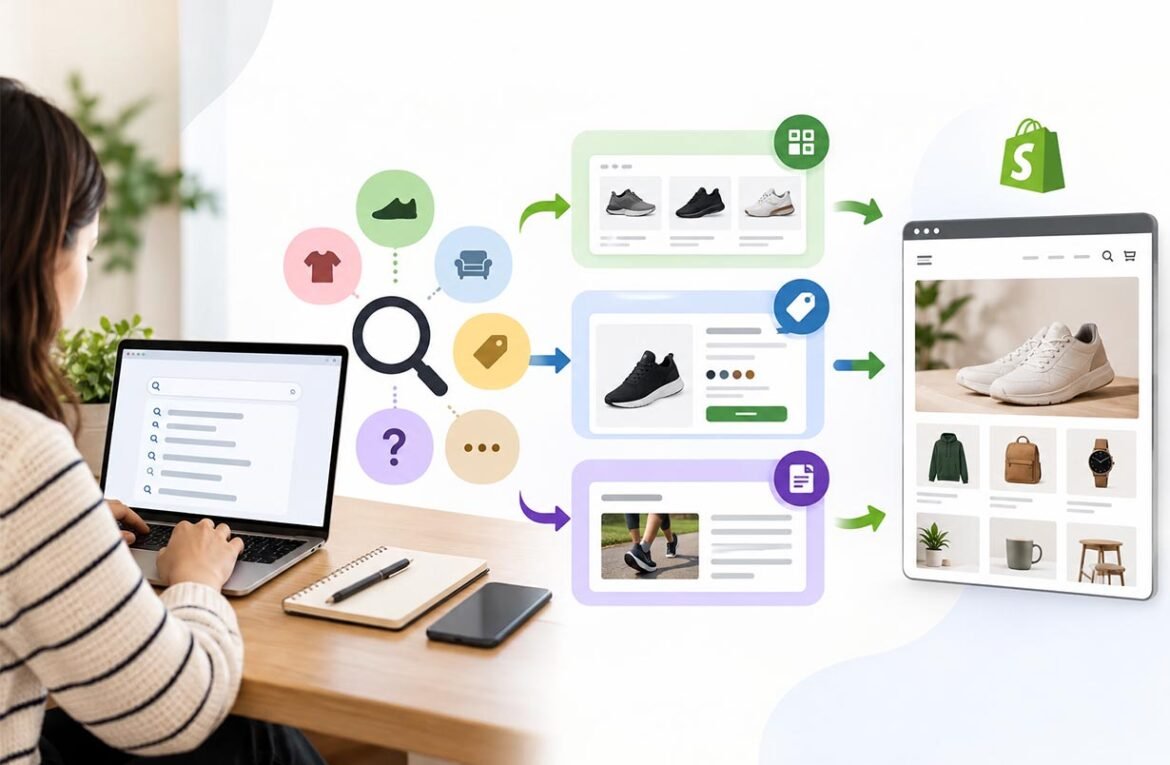
A successful Shopify store needs more than good products and a clean design. It also needs strong visibility in search results. Shopify SEO Services help store owners improve pages, fix technical issues, reach the right search terms, and attract people who are ready to buy. Good SEO also makes a store easier to understand for customers and search engines, which can support steady traffic and sales over time.
What Shopify SEO Work Includes
Shopify SEO Services usually cover keyword research, product SEO, collection SEO, technical checks, content planning, internal linking, and backlink work. The goal is to make important store pages easier to find and understand.
SEO work should match the store. A small shop may need stronger product content and keyword targeting. A large store may need help with thousands of URLs, filters, redirects, old products, and international pages.
Why Shopify Stores Need a Strong SEO Strategy
Shopify gives stores a useful SEO base. It can create SSL security, sitemap files, canonical tags, and robots.txt rules. However, these built-in features do not make every product rank well. Theme settings, apps, thin descriptions, weak page structure, duplicate pages, and poor internal links can still reduce organic performance.
A strong strategy connects each search with the right page. Broad buying terms can lead to collection pages, while detailed searches can lead to product pages. Informational searches may need helpful blog content.
How Keyword Research Helps Shopify Stores Rank
Keyword research finds the words people use before buying. A store should study product names, categories, materials, sizes, colors, features, problems, and buyer questions. Search intent matters too. Someone searching “best office chair for back support” needs different content from a buyer searching for one exact chair model.
After research, keywords should be mapped to suitable pages. A broad term may belong to a collection, a specific term to a product, and a question to a guide. This can reduce keyword cannibalization, where several pages compete for the same search.
How to Optimize Shopify Product and Collection Pages
Product pages should give complete and useful information. Strong pages explain the product name, purpose, main features, materials, size, colors, price, availability, care details, and other facts buyers need. Descriptions should be original instead of copied from suppliers because unique content gives each page a clearer purpose.
Collection pages target wider buying terms such as men’s running shoes or wooden dining tables. They should have a clear title, helpful text, relevant products, useful images, and internal links.
Technical SEO Services for Shopify Stores
Technical SEO checks whether search engines can crawl, render, and index the correct pages. Shopify SEO Services may include checking sitemap coverage, canonical tags, redirects, broken links, duplicate URLs, structured data, mobile usability, and index status.
Speed is another important area. Heavy themes, large images, too many apps, and extra scripts can slow a store. Mobile pages should also be easy to read and use. Technical work should improve both search engine access and the real shopping experience because slow or broken pages can reduce traffic and sales.
Content and Internal Linking for Better Organic Traffic
Useful content helps a store reach people before they are ready to buy. A skincare shop, for example, could publish guides about skin types, routines, ingredients, and common concerns. These articles can answer real questions and then guide readers to suitable collections or products without forcing a sale.
Internal links connect related pages and help search engines discover important content. Use clear anchor text instead of vague phrases such as “click here.” A guide can link to a collection, a collection to popular products, and products to useful guides. Strong internal linking also reduces the risk of important pages becoming isolated.
Link Building and Authority Growth for Shopify Websites
Backlinks are links from other websites to a store. Relevant links can support trust and make useful pages easier to discover. Good opportunities may come from industry websites, suppliers, partners, product reviews, useful resources, original research, or digital PR.
Quality matters more than a large link count. Links should make sense for the business and come from real, useful pages. Stores should avoid collecting low-quality links only to influence rankings. A smaller number of relevant links can be more useful than hundreds of unrelated links with little value.
Shopify SEO for Mobile, Speed, and User Experience
Many shoppers browse from phones, so mobile experience should be part of the SEO plan. Menus should be simple, text readable, images properly sized, and buttons easy to use. Important product details should also be easy to find without confusing tabs, popups, or slow-loading design elements.
SEO specialists can review image size, app load, layout, and other performance issues. Search visibility and user experience are closely connected because a page may attract visitors but still fail if it is difficult to use.
How Shopify SEO Can Improve Traffic and Sales
SEO should attract relevant visitors, not only increase page views. A store can measure progress through Google Search Console, analytics tools, and Shopify reports. Useful measures include impressions, organic clicks, product traffic, collection traffic, conversions, revenue, click-through rate, and indexing problems.
Results normally take time because search engines must crawl and evaluate changes. Competition, store age, content quality, links, and technical health can all affect progress. Shopify SEO Services work best as an ongoing process because products change, competitors publish new pages, and customer search habits develop over time.
How to Choose the Right Shopify SEO Service Provider
A good provider should explain what will be done and why it matters. Ask about audits, keyword research, technical fixes, product optimization, collection strategy, content, backlinks, reporting, and conversion tracking.
When comparing Shopify SEO Services, look for a provider that understands ecommerce and the Shopify platform. Be careful with companies that guarantee a number-one ranking because no agency controls search results. Choose a team that focuses on useful improvements, clear reporting, and work that can support the store for the long term.
FAQs
What does Shopify SEO include?
It can include keyword research, product and collection optimization, technical checks, content, internal links, backlinks, and performance tracking.
How long does Shopify SEO take?
There is no fixed period. Technical fixes may be quick, but ranking and traffic growth usually need time as search engines process the changes.
Does Shopify have built-in SEO features?
Yes. Shopify provides useful features such as SSL, sitemap files, canonical tags, and robots.txt controls, but stores still need strategic SEO work.
Are product pages or collection pages more important?
Both matter. Product pages target specific buying searches, while collection pages can rank for broader category terms and guide users to several products.
Can SEO increase Shopify sales?
SEO can bring more relevant visitors to products and collections. Sales also depend on product quality, pricing, trust, shipping, design, and the buying experience.