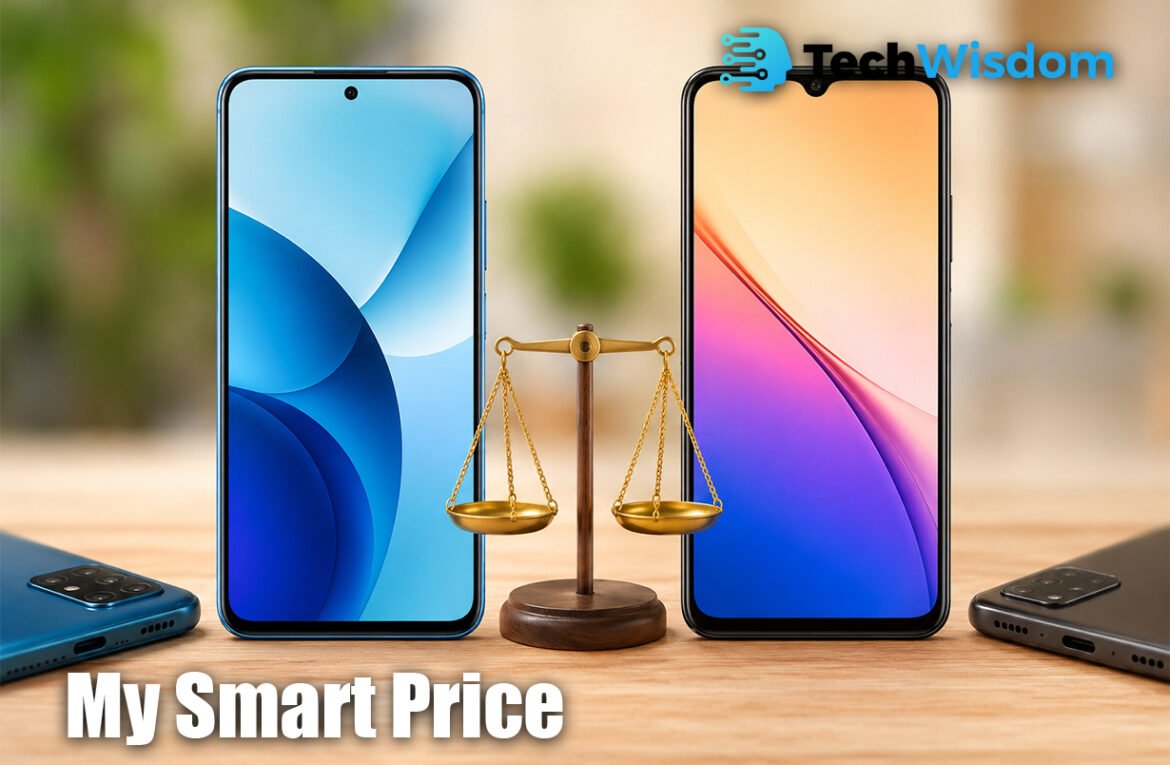
Buying a new phone can feel confusing because every brand promises better speed, sharper cameras, and longer battery life. My Smart Price helps buyers compare mobile phones in one place, so they can understand prices, features, and real differences before spending money. This guide explains how the comparison process works, what details matter most, and how to choose a phone that suits your budget and daily needs.
What the Smartphone Comparison Tool Does
A smartphone comparison tool places two or more phones side by side. It shows important details such as the processor, display, camera, battery, RAM, storage, software, and price. This format makes it easier to notice which phone offers more useful features instead of simply trusting an advertisement.
The tool is useful for people who already have a few models in mind. For example, a buyer may compare a Samsung Galaxy phone with a OnePlus, Xiaomi, Vivo, Realme, Motorola, or Apple iPhone. It can also help users discover whether a cheaper model gives similar value to a more expensive one.
How to Compare Phones Step by Step
Start by choosing phones from the same price range. Comparing a low-cost phone with a premium flagship may not give useful results. Add the exact models and check their full names because a standard, Plus, Pro, or 5G version may have different hardware.
Next, review the main differences instead of reading every line at once. Check the current price, processor, screen, battery, cameras, and update support. On My Smart Price, users can study product details and then open retailer offers. Always confirm the final price and model version on the seller’s page before ordering.
How to Understand Smartphone Prices
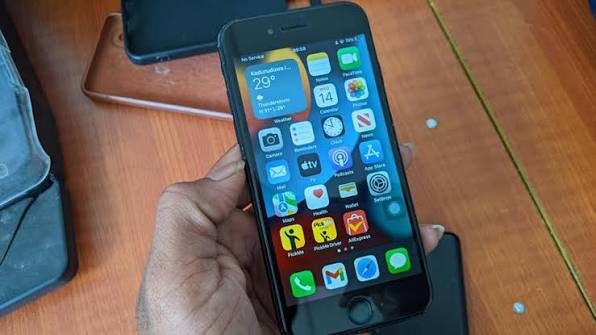
The lowest listed amount is not always the final cost. A price may depend on a bank card, coupon, exchange offer, membership, or limited sale. The cheaper listing may also be for a version with less RAM or storage.
Check the seller name, warranty, delivery fee, return policy, and storage option. A phone with 128GB storage should not be compared directly with a 512GB model without considering the price difference. A slightly higher price can be safer when it includes an official warranty and a trusted seller.
Processor, RAM, Storage, and Daily Speed
The processor affects app speed, gaming, camera work, and battery use. Popular chip families include Qualcomm Snapdragon, MediaTek Dimensity, Apple A-series, Samsung Exynos, and Google Tensor. A newer chip may be faster, but good cooling and software control are also important.
RAM helps the phone keep several apps open. For normal use, 6GB or 8GB can be enough, while heavy gaming and long-term use may benefit from more. Storage holds apps, photos, videos, and files. Buyers who record many videos should consider 256GB or more, especially when a phone has no memory-card slot.
Display Quality and Viewing Experience
Screen size is only one part of display quality. Buyers should also compare the panel type, resolution, refresh rate, brightness, and screen protection. OLED and AMOLED screens often provide deep blacks and strong contrast, while a good LCD can still offer clear images at a lower price.
A 90Hz or 120Hz refresh rate makes scrolling look smoother. High brightness helps outdoors, but advertised peak brightness may not reflect normal use. People who watch films should also check HDR support, colour quality, speaker performance, and whether the phone feels comfortable during long viewing sessions.
Camera Features That Really Matter
Megapixels do not tell the full camera story. A 50MP camera can take better photos than a 108MP or 200MP camera when it has a stronger sensor, better lens, and smarter image processing. Look for optical image stabilisation, reliable autofocus, and useful secondary cameras.
For family photos, check skin tones, indoor quality, and moving subjects. For travel, compare the ultra-wide and zoom cameras. Video users should review stabilisation, microphone quality, frame rates, and low-light results. Expert reviews and real photo samples are more helpful than camera numbers alone.
Battery Life and Charging Speed
Battery capacity is shown in mAh, but a bigger number does not always mean longer use. The processor, display, network signal, refresh rate, and software all affect battery life. Two phones with 5,000mAh batteries can perform very differently during a normal day.
Charging speed is also important. A high watt rating may reduce waiting time, but buyers should check whether the correct charger comes in the box. Wireless charging is convenient, while reverse charging can power small devices. Battery health, heat control, and replacement cost also matter for long-term ownership.
Software, Updates, and 5G Support
Software decides how the phone feels every day. Compare the operating system, interface, unwanted apps, privacy controls, and promised update period. A phone with longer Android, iOS, and security support can stay safer and useful for more years.
For 5G, do not only check whether the word appears in the name. Review supported network bands and confirm that they work with your mobile provider. Also compare Wi-Fi, Bluetooth, NFC, eSIM, USB type, and call quality. These small details can affect daily use more than a minor camera upgrade.
Reviews, Ratings, and Reliability
Ratings are useful, but they need context. A high score from a small number of users may not be reliable. Read detailed comments about heating, battery drain, updates, network problems, and customer service. Also separate the product rating from the seller rating.
My Smart Price can be a strong starting point, but buyers should confirm important facts on the phone maker’s official website. Prices can change quickly, and large product databases may sometimes contain missing or old details. Use several trusted sources before making an expensive purchase.
Choosing the Right Phone for Your Needs
The best phone is not always the model with the largest numbers. A student may need good battery life and storage. A gamer may care about the chipset, cooling, touch response, and speakers. A photographer may prefer better camera processing, stabilisation, and zoom.
Use My Smart Price to build a shortlist, then match each option with your real needs. Think about repair service, software support, case availability, warranty, and resale value. A balanced phone that works well every day often gives better value than a device with one impressive feature and several weak areas.
FAQs
Is a smartphone comparison enough to choose a phone?
No. It helps you understand specifications, but you should also read reviews, check camera samples, and confirm the final retailer offer.
Can the listed phone price change?
Yes. Prices may change because of sales, bank offers, coupons, exchange deals, storage versions, and seller stock.
Is more RAM always better?
More RAM can improve multitasking, but processor quality and software optimisation are also important.
Does a larger battery always last longer?
No. Screen brightness, processor efficiency, network signal, and software can change real battery life.
Should I trust user ratings?
Use them as one source only. Read detailed comments and compare expert reviews, official specifications, and warranty information.