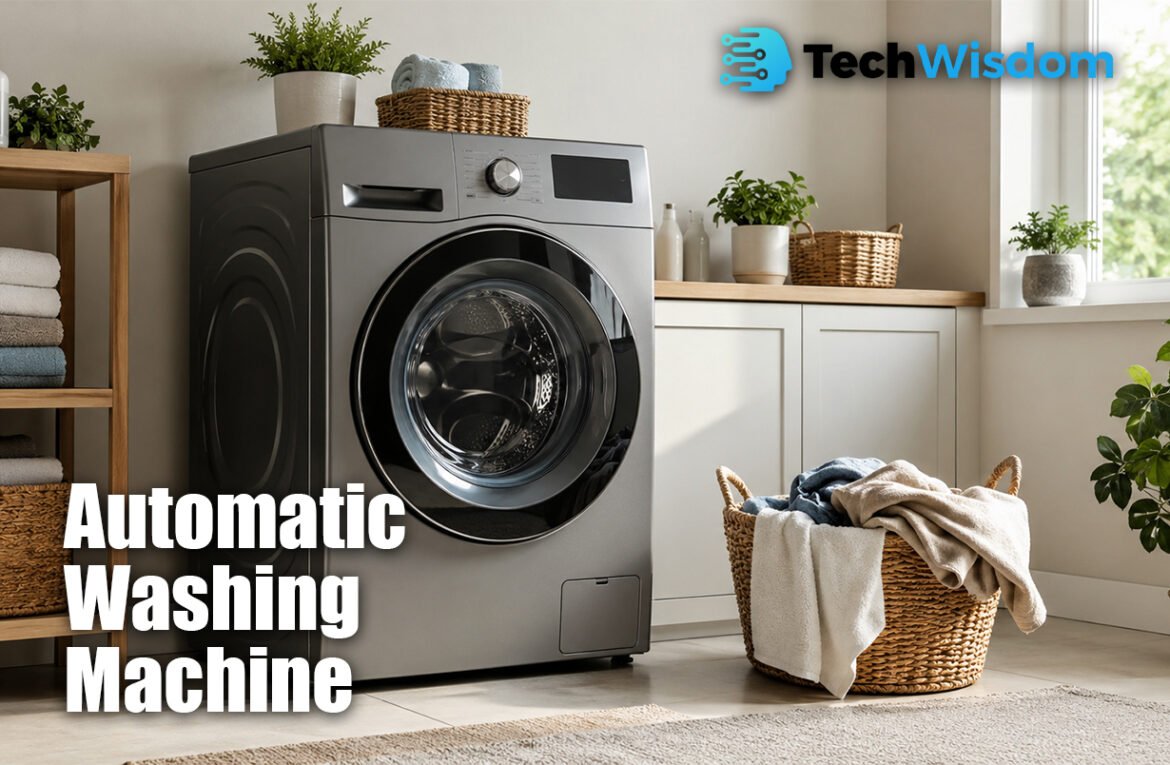
This appliance can make daily laundry faster, easier, and less tiring. It washes, rinses, and spins clothes with little help from the user. However, it also needs electricity, water, space, and regular care. Before buying one, you should understand its main benefits, common problems, running costs, and maintenance needs. This guide explains both sides in simple English so you can decide whether this appliance is right for your home.
How an Automatic Washer Works
A fully automatic washer completes most of the laundry process in one drum. You place the clothes inside, add detergent, select a cycle, and press start. The machine then controls the water level, wash movement, rinsing, draining, and spinning.
A front-load model tumbles clothes in a horizontal drum, while a top-load model moves them with an agitator or impeller. Both designs reduce hand work, but they may differ in water use, wash time, noise, and fabric care.
Main Types of Automatic Washing Machines
A front-load washer has a door on the front. It usually uses less water, offers strong spinning, and treats clothes gently. However, users must clean the rubber door seal because trapped water and detergent can cause smells, mold, or black marks.
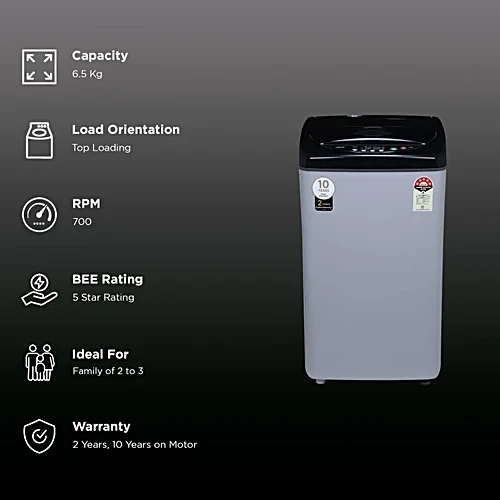
A top-load washer opens from above, so loading clothes may feel easier. Traditional agitator models often wash faster but may use more water and create more fabric rubbing. Impeller models provide more drum space and may save water.
Key Benefits of an Automatic Washing Machine
The biggest benefit is convenience. Once the cycle starts, you can work, cook, rest, or complete other household tasks. You do not need to rub clothes by hand or move wet laundry between two tubs. This reduces physical stress for busy families and older adults.
It can also give more consistent results. You can select programs for cotton, wool, delicate clothes, bedding, sportswear, or heavy dirt. High spin speeds remove extra water, so clothes dry faster. Efficient models may reduce water and energy use when loaded correctly.
Common Problems and Disadvantages
The main disadvantage is the purchase price. A fully automatic model often costs more than a semi-automatic washer. Smart features and large drums can raise the price further. Repairs may also be costly because the machine contains control boards, sensors, pumps, locks, and motor parts.
The machine also depends on a stable power supply, water pressure, and proper drainage. Low water pressure may increase filling time, while a blocked drain can prevent spinning. Some high-efficiency cycles are slow, and large loads may take more than one hour to finish.
Water, Electricity, and Running Costs
Running cost depends on size, energy rating, water temperature, and weekly use. Cold-water washing normally uses less energy because the washer does not need to heat as much water. A fast spin can also reduce dryer use by removing more moisture from the clothes.
A large drum may waste resources on very small loads. Choose a capacity that matches your normal laundry amount. Use full but not overloaded loads, select eco programs when suitable, and avoid washing only one or two items unless the machine can adjust its water level.
Cleaning and Maintenance Needs
Regular care is necessary for good performance. Clean the detergent drawer, drum, door seal, lint area, inlet filters, and drain-pump filter as directed in the manual. Remove small objects before they block the system.
Leave the door or lid open for a short time after washing when it is safe. This helps moisture escape and reduces bad smells. Use the correct detergent amount because too much foam can leave residue. Check water hoses for cracks, loose fittings, or leaks, and keep the machine level.
Effects on Clothes and Cleaning Quality
Correct settings protect clothes and improve cleaning. Delicate fabrics need gentle movement and low spin speed, while towels and cotton items can handle stronger cycles. Heavily stained clothes may need treatment before washing. Old oil, ink, paint, or blood stains may need extra care.
Overloading is a common cause of poor results. Clothes need enough space to move through water and detergent. When the drum is packed tightly, some items may stay dirty or hold soap. Too little detergent may not clean well, but too much can cause residue and extra rinsing.
Safety, Noise, and Installation Concerns
Install the washer on a strong, level floor near a safe water connection, drain, and electrical socket. Leave enough room for hoses, airflow, and door movement. Many doors and lids lock during operation. A child lock prevents program changes, but adults should still supervise children.
Noise and shaking often come from uneven feet, an unbalanced load, overloading, or shipping bolts that were not removed. Burning smells, leaks, or electrical faults need professional attention. Do not open panels or repair internal wiring without proper training.
Who Should Buy One?
This appliance is a strong choice for households that wash clothes often and have stable electricity, suitable plumbing, and enough installation space. It is especially helpful for families and working people.
A semi-automatic washer may suit homes with low water pressure, frequent power cuts, limited budgets, or weak repair support. Before buying, compare capacity, energy use, cycle time, noise, warranty, spare parts, and local service.
Is It Worth the Cost?
An Automatic Washing Machine is usually worth the cost when it is used regularly, installed correctly, and maintained well. It offers comfort, saves effort, supports different fabrics, and can lower drying time. Its limits include a higher buying price, possible repair bills, slow cycles, and dependence on utilities.
The final decision should be based on your household size, washing frequency, available space, water supply, electricity, and budget. Choose useful features instead of paying for unused options. A reliable model with simple controls and strong service support can offer better long-term value.
FAQs
Does a fully automatic washer use a lot of water?
Efficient models can use less water than older machines, especially when sensors adjust the water level for each load.
Which type is better, front-load or top-load?
Front-load models often save more water, while top-load models may be easier to load and may finish faster.
Why does a washer smell bad?
Moisture, detergent residue, dirt, and a closed door can cause odors. Clean and dry the machine regularly.
Can I use normal detergent in every machine?
No. High-efficiency models usually need low-foam detergent. Follow the machine manual and detergent label.
How long can a washing machine last?
Its life depends on build quality, use, maintenance, water conditions, and repairs. Good care can extend its service life.