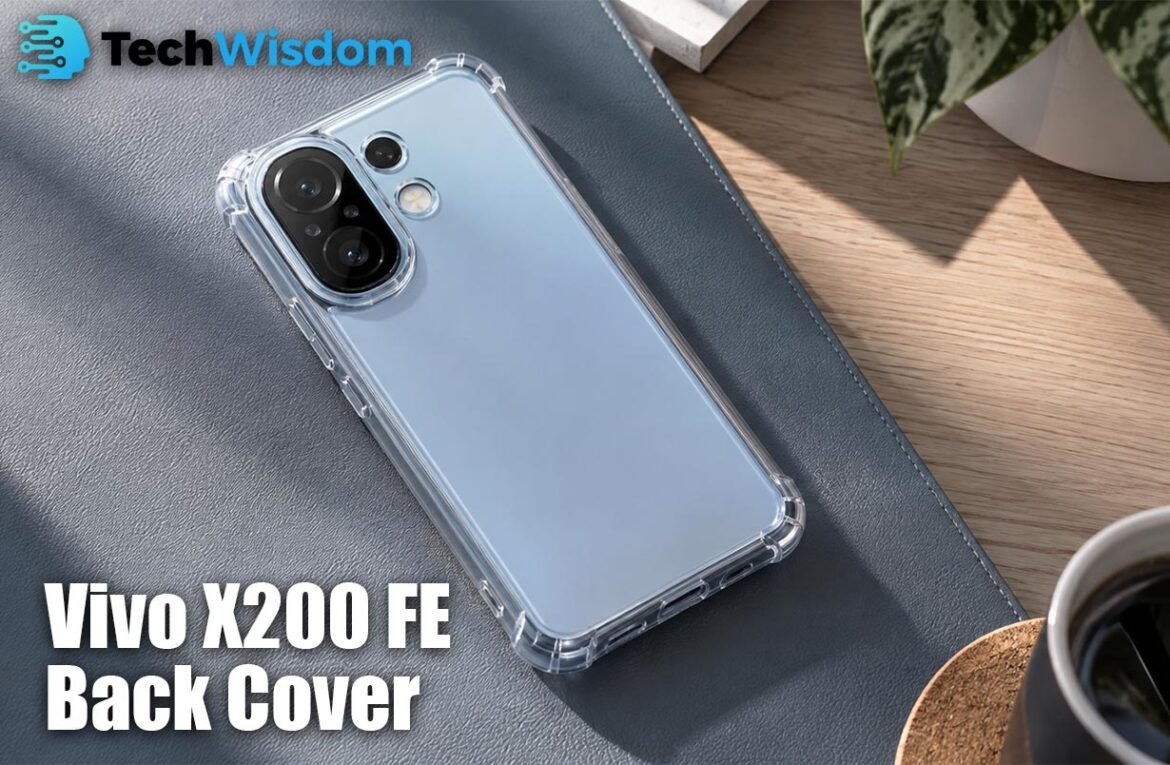
A Vivo X200 FE Back Cover is more than a simple phone accessory. It protects the slim body, raised camera area, corners, and buttons from daily wear. The Vivo X200 FE has a compact 6.31-inch display, a thin 7.99 mm body, and an advanced rear camera system. Since its camera module rises above the back panel, a suitable cover can reduce scratches, improve grip, and lower the risk of damage during small accidental drops.
Why the Vivo X200 FE Needs Camera Protection
The rear camera is one of the most valuable parts of the phone. It includes a 50 MP main camera, a 50 MP telephoto camera, and an 8 MP ultra-wide camera. These cameras support detailed photos, portraits, zoom shots, and wide landscape images. However, the raised camera section may touch desks, tables, and other hard surfaces when the phone is placed on its back.
A Vivo X200 FE Back Cover with a raised camera border creates space between the lenses and the surface below. This design helps prevent scratches and marks around the camera glass. It may also reduce direct impact near the camera frame during a minor fall. For better safety, the protective border should be slightly higher than the full camera module.
Key Features of a Protective Back Cover
A good case should fit closely without making the phone difficult to use. Look for accurate camera cutouts, open speaker holes, enough charging-port space, and responsive button covers. The case must not block the flash, microphone, infrared area, or camera sensors. Poorly placed openings can affect photos, charging, sound, and normal button use.
Other useful features include raised screen edges, reinforced corners, and a non-slip surface. Raised edges prevent the display from touching a flat surface when the phone is placed face down. Strong corners help absorb impact because phone corners often receive the greatest force during a fall. A textured finish can also improve one-handed grip.
Best Back Cover Materials for Daily Use
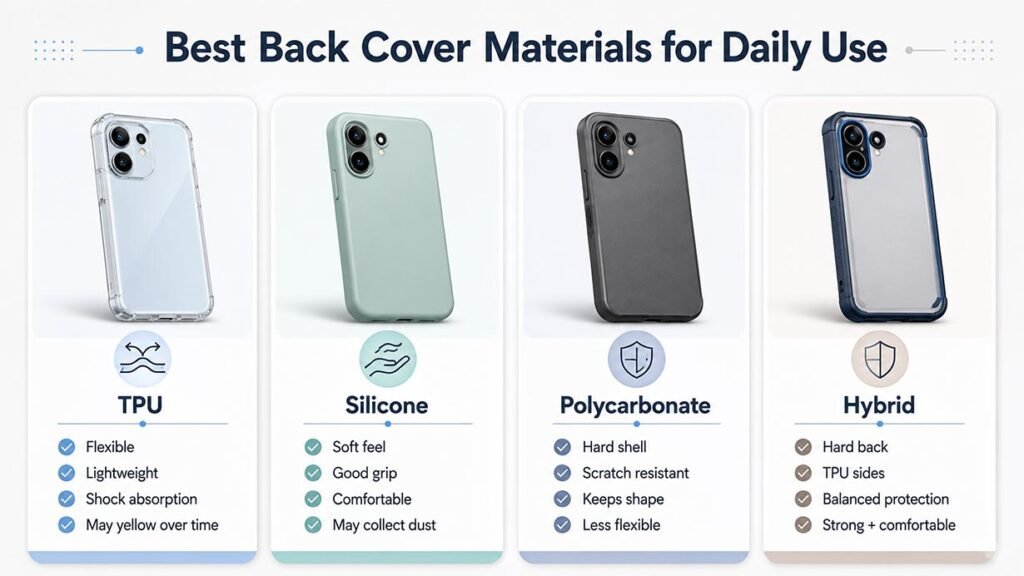
TPU, or thermoplastic polyurethane, is a common phone-case material. It is flexible, lightweight, and easy to install. It provides basic shock absorption and protects the phone from everyday scratches. Clear TPU also shows the phone’s original colour, although it may slowly turn yellow because of sunlight, heat, sweat, and natural skin oils.
A Vivo X200 FE Back Cover made from silicone usually feels soft and comfortable. Silicone provides good grip, but it may collect dust or pocket lint. Hard polycarbonate keeps its shape and resists scratches, although it is less flexible. A hybrid cover combines a hard rear panel with soft TPU sides, offering a practical balance between strength, grip, and comfort.
Raised Camera Edges or Full Lens Protection
A raised camera border is the most common protection style. It surrounds the camera module without placing material directly over the lenses. This keeps the camera glass away from tables and makes it easier to clean. The edge should be high enough to offer protection, but not so thick that it creates shadows when the phone’s flash is used.
Some cases include individual lens rings, a sliding camera door, or a clear built-in lens cover. A sliding door gives stronger scratch protection and extra privacy, but it must be opened before taking a picture. Built-in covers can be useful, yet poor-quality plastic may create glare, blur, reflections, or weaker night photos.
Slim, Hybrid, and Rugged Case Options
A slim case is suitable for users who want to keep the phone light and compact. It offers basic scratch protection and improves grip without adding much thickness. This type works well for office use, indoor use, and careful owners. However, a very thin cover may not protect the corners and camera area during a harder fall.
A hybrid or rugged Vivo X200 FE Back Cover is more suitable for travel, outdoor work, or active daily use. Hybrid cases often include a hard back, flexible sides, and reinforced corners. Rugged designs may also offer deeper camera borders, thick screen edges, a kickstand, or a sliding lens shield. They provide stronger protection but add extra weight and size.
How to Check the Fit and Cutouts
After installing the case, inspect every side carefully. The phone should sit firmly inside without moving or leaving loose gaps. Press the power and volume buttons to make sure they work easily. Connect the charging cable and confirm that it enters fully. Speakers, microphones, and other openings must remain clear.
Test the main, ultra-wide, telephoto, and flash functions after fitting the cover. Check each photo for shadows, blocked areas, or unusual reflections. The camera border should remain higher than the lens glass. A correctly fitted Vivo X200 FE Back Cover protects the device without affecting photography, charging, sound, buttons, or other important functions.
Screen, Corner, and Drop Protection
Camera protection is important, but the screen and corners also need attention. A raised front lip can stop the display from touching a desk when the phone is placed face down. It should still leave enough space for a compatible screen protector. Soft inner padding may also reduce rubbing between the phone and a hard outer shell.
No case can make a smartphone completely drop-proof. The result of a fall depends on the height, angle, speed, and surface. However, air-cushioned corners and shock-absorbing materials can lower the risk during common accidents. Be careful with claims such as “military-grade protection” unless the seller clearly explains the test method and tested drop height.
Common Buying Mistakes to Avoid
The biggest mistake is buying a case for the wrong model. The Vivo X200, Vivo X200 Pro, and Vivo X200 FE have different measurements and camera layouts. A cover made for another phone may block a lens, press against the buttons, or leave unsafe gaps. Always check the complete model name before placing an order.
Avoid covers with weak camera borders, loose corners, sharp edges, and very small charging openings. Cheap transparent materials may quickly turn yellow or stretch after regular use. Check real product photos, customer reviews, and stated dimensions. Appearance matters, but accurate fit, reliable grip, camera safety, and corner protection should come first.
Cleaning and Maintaining the Back Cover
Remove the cover every one or two weeks and clean dust from the phone and the case’s inner surface. Small particles trapped inside can rub against the back panel and create marks. Wash silicone or TPU cases with mild soap and lukewarm water. Use a soft cloth and let the cover dry fully before reinstalling it.
Inspect the case after a strong drop. Replace it when the corners become loose, the hard shell cracks, the camera border breaks, or the button covers stop responding. A damaged case may still look usable but provide weaker protection. Regular cleaning and inspection help the cover remain secure, attractive, and useful for longer.
Choosing the Best Vivo X200 FE Back Cover
Choose a slim TPU or silicone option for light protection, easy handling, and improved grip. Pick a hybrid case when you need stronger corners and a hard rear panel without too much bulk. A rugged case is more useful for frequent travel, outdoor work, or situations where accidental drops are more likely.
The best Vivo X200 FE Back Cover should fit the exact model, protect the raised camera, keep every opening clear, and feel comfortable in your hand. A quality cover cannot prevent every type of damage, but it can reduce scratches, dents, and direct contact with hard surfaces. It also helps the phone remain clean and attractive for a longer period.
FAQs
Does a back cover protect the Vivo X200 FE camera?
Yes. A raised camera edge keeps the lenses away from flat surfaces and may reduce damage during small impacts.
Can I use a Vivo X200 case on the X200 FE?
No. The phones have different sizes and camera layouts, so you need a case made for the exact Vivo X200 FE model.
Is a transparent case a good choice?
Yes. It displays the phone’s original design, but clear soft material may slowly become yellow over time.
Can a lens protector affect photo quality?
A good protector should work well. Cheap plastic or glass may cause glare, blur, reflections, or poor flash performance.
Which type of cover offers stronger protection?
A hybrid or rugged case normally provides better corner, screen, and camera protection than a very thin cover.