
OAuth Security News has become an important topic because more businesses now depend on cloud services for daily work. Platforms like Microsoft 365 and Google Workspace help teams work from anywhere, but they also create new security challenges. Instead of only stealing passwords, attackers now try to misuse identity systems and access tokens. Understanding the latest updates helps businesses reduce risk and protect sensitive information.
What Is OAuth and Why Is It Important for Cloud Security?
OAuth is an open authorization standard that lets one application access another without sharing a user’s password. When you click “Sign in with Google” or “Sign in with Microsoft,” OAuth handles the secure connection. Instead of sending your password to every website, it creates an access token with limited permissions.
This method makes logging in faster and safer. It is widely used by Microsoft 365, Google Workspace, GitHub, Slack, Dropbox, and many other cloud platforms. Because OAuth connects so many business applications, protecting it has become a major priority for companies of every size.
Why OAuth Security Is Making Headlines in 2026
The latest OAuth Security News shows that cybercriminals are changing their tactics. Rather than breaking passwords, they focus on stealing access tokens or convincing users to approve harmful applications. These attacks often look like normal login requests, making them difficult to detect.
The growing use of cloud services has also increased the number of connected applications inside organizations. Every connected app creates another possible entry point if it is not managed correctly. Security teams are now paying closer attention to application permissions, user consent, and identity protection.
Microsoft’s Latest OAuth Security Updates and Emerging Threats
Microsoft has warned organizations about several attacks that misuse legitimate OAuth features. One of the most-discussed threats is OAuth redirect abuse. Attackers send users through trusted Microsoft sign-in pages before redirecting them to phishing websites or malware downloads. Because the first page is genuine, many users do not notice anything unusual.
Another growing concern is Device Code Phishing. This attack exploits the OAuth Device Authorization Flow, which was designed for devices with limited keyboards or screens. Attackers ask victims to enter a device code on Microsoft’s official website. After the code is approved, the attacker receives valid access tokens linked to the victim’s account.
Consent phishing is another threat highlighted in recent OAuth Security News updates. Instead of stealing passwords, attackers ask users to approve a malicious application. If permission is granted, the application may gain access to emails, calendars, contacts, or cloud files without needing the user’s password again.
Google OAuth Security Updates and New Protection Measures
Google continues to strengthen OAuth security across Google Workspace and personal Google accounts. The company has improved application verification, increased reviews for sensitive permissions, and introduced clearer warning messages when users connect third-party apps.
Google also encourages developers to request only the permissions they truly need. Applications that ask for unnecessary access are reviewed more carefully. These changes help reduce the number of unsafe applications reaching users while improving overall account security.
Even with these improvements, organizations should regularly review connected apps and remove those that are no longer needed. Keeping application permissions under control is one of the easiest ways to lower security risks.
Common OAuth Attacks Targeting Enterprise Organizations
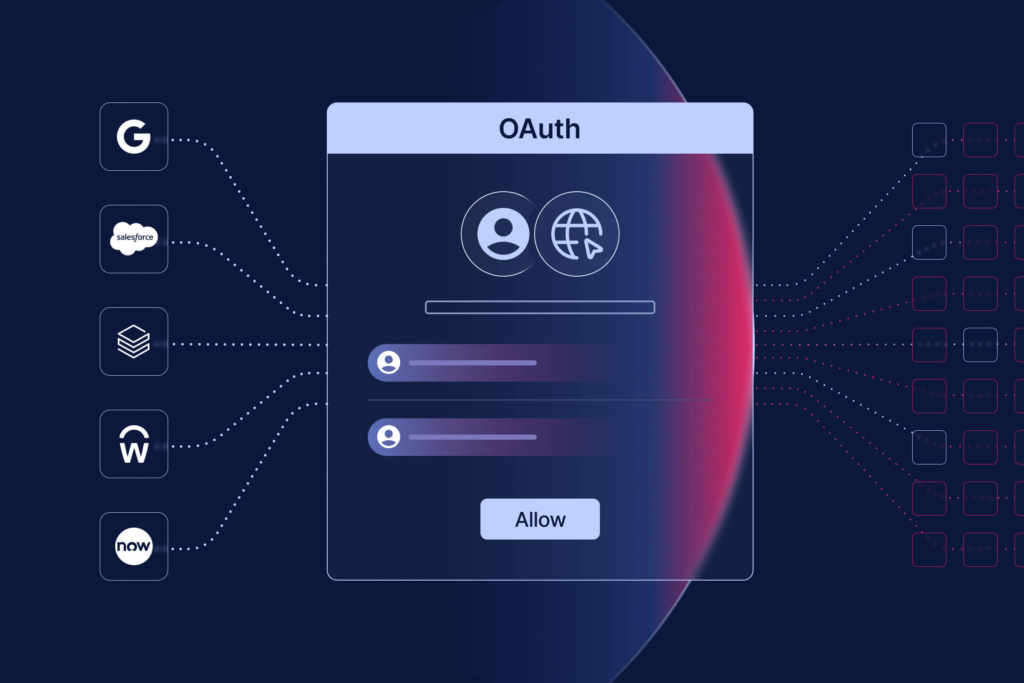
One of the most common attacks discussed in OAuth Security News is Consent Phishing. Instead of asking for passwords, attackers ask users to approve application permissions. Once approved, they may access emails, cloud storage, calendars, or contact lists.
Another serious threat is OAuth Token Theft. Access tokens and refresh tokens allow applications to continue communicating with cloud services. If attackers steal these tokens, they may continue using an account even after the password has been changed.
Organizations are also seeing more malicious OAuth applications. Attackers create fake apps that appear trustworthy by using names or logos similar to well-known companies. Users who approve these applications unknowingly give attackers access to valuable business information.
How OAuth Vulnerabilities Can Impact Microsoft 365, Google Workspace, and Business Applications
Modern businesses depend on cloud platforms for communication, document sharing, customer management, and teamwork. If attackers gain OAuth access, they may read confidential emails, copy sensitive files, or monitor business activity without triggering traditional password alerts.
Many organizations connect hundreds of third-party applications to Microsoft 365 and Google Workspace. Over time, some of these apps are forgotten, but still have permission to access company data. Regular reviews help reduce unnecessary access and improve security.
Large enterprises are especially at risk because employees use many cloud services every day. A single compromised application can create problems across multiple business systems if permissions are too broad.
Best Practices to Protect Your Organization from OAuth Security Risks
The latest OAuth Security News highlights that prevention is better than recovery. Businesses should only allow trusted applications to connect with company accounts. Every new application should be reviewed before employees can use it.
Security teams should regularly check application permissions and remove software that is no longer needed. Limiting access to only essential data follows the principle of least privilege and reduces unnecessary risk.
Companies should also enable Multi-Factor Authentication (MFA), monitor sign-in activity, and use Conditional Access policies where available. Employees should receive regular training so they can recognize suspicious permission requests and phishing attempts.
Recent OAuth Security Incidents and What Businesses Can Learn
Several recent incidents have shown that attackers no longer rely only on stolen passwords. Instead, they abuse trusted identity systems to gain long-term access. These attacks demonstrate that strong passwords alone are no longer enough to protect cloud environments.
Organizations have learned that monitoring application permissions is just as important as monitoring user accounts. Removing unused applications, reviewing connected services, and revoking suspicious access tokens can significantly reduce the impact of an attack.
The newest OAuth Security News also reminds businesses to update security policies as cloud technology continues to evolve. Identity protection has become one of the most important parts of modern cybersecurity.
Read More: techwisdom.co.uk
Future Trends in OAuth Security and Enterprise Identity Protection
Identity-based attacks are expected to continue growing as more businesses move to cloud platforms. Security providers are improving threat detection through artificial intelligence, behavioral analysis, and automated monitoring to identify suspicious OAuth activity more quickly.
Businesses are also adopting Zero Trust security models that verify every user, device, and application before granting access. This approach reduces the likelihood that attackers will move through an organization’s systems after gaining initial access.
Future versions of OAuth security will likely include stronger application verification, better permission management, and more advanced identity protection. Following these developments through reliable OAuth Security News sources helps organizations stay prepared for new threats.
FAQs
What is OAuth?
OAuth is an authorization framework that allows applications to access resources without sharing your password.
Why is OAuth security important?
It protects cloud accounts, sensitive business data, and connected applications from unauthorized access.
What is consent phishing?
Consent phishing tricks users into approving a malicious application instead of stealing their password.
How do Microsoft and Google improve OAuth security?
They use app verification, permission controls, security monitoring, and stronger identity protection features.
How can businesses reduce OAuth security risks?
Review connected apps regularly, limit permissions, enable MFA, monitor account activity, and train employees to recognize suspicious requests.