Buying second-hand solar panels can lower the cost of a small energy project, but the cheapest offer is not always the best deal. Used Solar Panels for Sale may still produce useful power for years, yet age, hidden damage, weak testing, and high delivery fees can change their real value. This guide explains what to inspect, what to ask, and how to compare a safe purchase.
What Are Used Solar Panels?
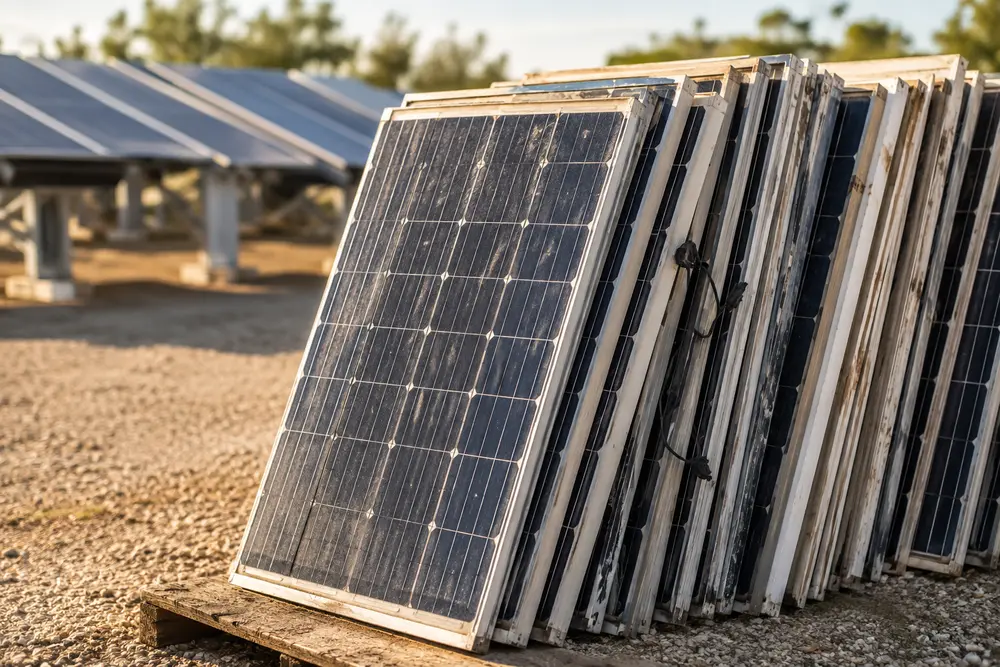
Used panels are photovoltaic modules that were installed before, stored after a project, removed during an upgrade, or returned by a customer. Some are only a few years old, while others have worked outdoors for many years. Listings for Used Solar Panels for Sale can include single units, matching pallets, commercial modules, factory returns, and repaired panels.
A used panel is not always a failed panel. A building may change use, or a solar farm may replace older units with higher-watt models. The removed panels may still work, but each one needs a clear history and a proper test. A clean surface alone cannot prove safe output.
Why Buy Second-Hand Panels?
The main reason is price. An industry resale guide reports that used modules may cost 50% to 75% less than new ones. This makes Used Solar Panels for Sale useful for buyers with a limited budget. Reuse can also keep working equipment out of the waste stream for longer.
Common uses include cabins, workshops, farms, water pumps, battery charging, RV shelters, training systems, and backup power. They may be less suitable for a small roof, where every square metre must produce as much energy as possible.
Compare Price by Working Watt
Do not compare offers only by panel price. A 250-watt panel for $40 may seem cheaper than a 350-watt panel for $65, but the second unit gives more power in the same space. When checking Used Solar Panels for Sale, divide the price by the tested output. This gives the cost per working watt.
A $50 panel that tests at 250 watts costs $0.20 per tested watt before other costs. Add tax, freight, mounting parts, new connectors, inverter changes, and labor. A nearby panel with a higher price may be better value than a cheap unit with costly delivery.
Check Age, Climate, and History
Ask for the manufacture date, first installation date, removal date, and reason for removal. Solar panels slowly lose output with age. NREL research on many U.S. systems found a median performance loss close to 0.75% per year, though heat, weather, materials, and care can change the result.
A ten-year-old panel from a cool, well-kept site may be stronger than a younger unit exposed to hail, salt, severe heat, or poor storage. Good ads for Used Solar Panels for Sale should explain where the modules worked and how they were removed, moved, and stored.
Read the Label and Datasheet
The back label should show the brand, model, serial number, rated power, open-circuit voltage (Voc), short-circuit current (Isc), working voltage (Vmp), working current (Imp), and safety marks. A missing label makes the module harder to identify, match, approve, or insure.
Find the original datasheet and compare it with the label. Confirm the size, weight, connector type, temperature limits, and electrical ratings. When reviewing Used Solar Panels for Sale, avoid mixed pallets unless a solar professional has checked how the different models will work together.
Inspect for Physical Damage
Check the front glass in bright light. Reject panels with shattered glass, deep cracks, burn marks, large cloudy areas, or signs of water. Small cell cracks may be hidden, so a good-looking front does not prove that the module is healthy.
Inspect the frame, mounting holes, backsheet, junction box, cables, and connectors. Look for bends, corrosion, loose corners, bubbles, peeling layers, cuts, and poor repairs. The U.S. Department of Energy lists hot spots, cell cracks, water entry, delamination, and wiring faults as key failure concerns.
Ask for Useful Test Results
A seller should provide more than the words “tested” or “working.” For Used Solar Panels for Sale, ask which tool was used, when the test happened, what the weather was like, and whether every panel or only a sample was tested. Results should connect to model or serial numbers.
Basic outdoor checks measure Voc and Isc, but sunlight and temperature affect them. A professional I-V curve test gives a clearer view of voltage, current, and maximum power. Infrared imaging may show hot spots, while electroluminescence testing can reveal hidden cell cracks. These tests matter most for large orders.
Match Panels to Your Equipment
Modules must match the inverter, charge controller, battery voltage, cables, and other panels in a string. Check maximum voltage and current limits. Cold weather can raise module voltage, so the full string must stay below the equipment limit on the coldest expected day.
Do not join random models only because their watt numbers are close. Different Voc, Vmp, Isc, and Imp values may reduce output or create design problems. Before ordering Used Solar Panels for Sale, ask a qualified designer or electrician to review the datasheets and string plan.
Check the Seller and Terms
A reliable seller gives clear photos, serial numbers, quantity, panel history, test records, pallet details, and a written condition grade. Ask whether the photos show the real stock. For a bulk deal, request sample numbers and a video that links each test result to a module.
Read the return rules before paying. Ask who pays when units arrive broken, test below the promised level, or are the wrong model. When buying Used Solar Panels for Sale from a private seller, inspect locally when possible and use a payment method with buyer protection.
Understand Warranty, Rules, and Credits
A manufacturer warranty may not move to a second owner. The maker may require the original invoice, installer details, or ownership record. Contact the company with the model and serial number. A reseller may offer a short return period or service warranty, but every promise should be written.
Local building, fire, electrical, and utility rules differ. Grid systems may need approved equipment, permits, inspection, and utility permission. In the United States, previously owned clean-energy property is not eligible for the federal Residential Clean Energy Credit. Check current local rules before buying Used Solar Panels for Sale.
Count the Whole Project Cost
Panels are only one part of a system. The budget may also include racks, clamps, roof flashing, grounding parts, switches, fuses, wires, connectors, inverter, controller, batteries, labels, permits, inspection, labor, and delivery equipment.
Older modules may have lower power but a similar size to modern units. You may need more space, rails, wiring, and labor for the same system size. Used Solar Panels for Sale save money only when the final installed cost and expected energy output both make sense.
Where Used Panels Work Best
A tested, matching batch can work well on a ground frame, farm, workshop, cabin, pump, school project, or another site with enough space. These projects can accept lower power density and often allow easier access for future checks and replacement.
An unknown mixed batch is a poor choice for a difficult roof. It can cause design problems, weak output, permit issues, and costly replacement work. Choose Used Solar Panels for Sale only when condition, ratings, source, and purpose match the full system.
Read More: Minecraft Java Multiplayer Guide
Final Buying Checklist
Before paying, confirm model, serial numbers, age, past location, removal reason, test method, tested power, visible condition, quantity, ratings, certifications, warranty status, return rights, packing method, freight cost, and damage process. Save the ad, invoice, photos, messages, datasheet, and report.
For bulk Used Solar Panels for Sale, inspect a fair sample and set the lowest accepted output in writing. Agree on how many weak or damaged panels are allowed. Also state who handles unloading, rejected units, broken glass, return freight, and recycling.
Final Advice
Start with the power you need, the space you have, and a basic system design. Compare tested watts instead of original label watts. Add every extra cost before deciding. A cheap module is not a saving when it needs unsafe repairs or produces much less power than promised.
The best Used Solar Panels for Sale are matching, traceable, safely packed, clearly graded, properly tested, and covered by fair sale terms. Walk away when a seller hides the history or refuses proof. A careful purchase can lower costs, while a rushed purchase can create repairs, delays, and lost energy.
Frequently Asked Questions
How long can a used solar panel work?
Many panels can work for decades, but remaining life depends on age, climate, damage, care, and present output.
How can I test one before buying?
Check the label, glass, frame, backsheet, junction box, cables, Voc, and Isc. For stronger proof, request an I-V curve test.
Is a cracked panel safe?
Do not assume so. Cracks can allow water entry, create hot spots, and weaken insulation. Ask a qualified expert.
Can I mix different panel models?
Sometimes, but poor voltage or current matching may reduce performance. A solar designer should check the string first.
Does a used panel include a warranty?
Sometimes a reseller offers limited cover, but the original warranty may not transfer. Confirm all terms in writing.