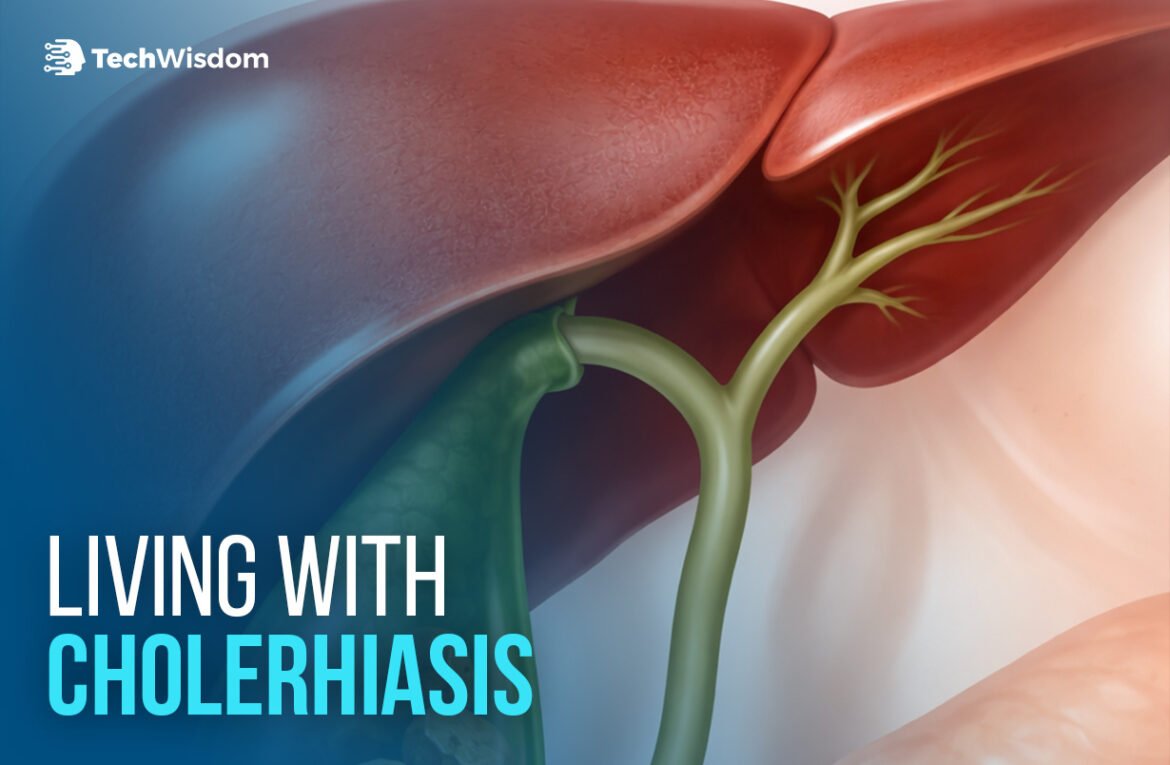
Many people search for cholerhiasis when trying to understand sudden upper abdominal pain or a diagnosis involving gallstones. The medically correct term is cholelithiasis, which means the formation of stones inside the gallbladder. Both words point to the same condition: solid deposits formed from bile components, most often cholesterol or bilirubin.
The short answer is simple. Cholerhiasis (cholelithiasis) is common, often silent, but can cause severe pain and dangerous complications when a stone blocks bile flow. Most people with gallstones never feel them. Others experience sudden, intense pain that sends them to the emergency room. Knowing the difference between harmless and warning symptoms can make a real difference.
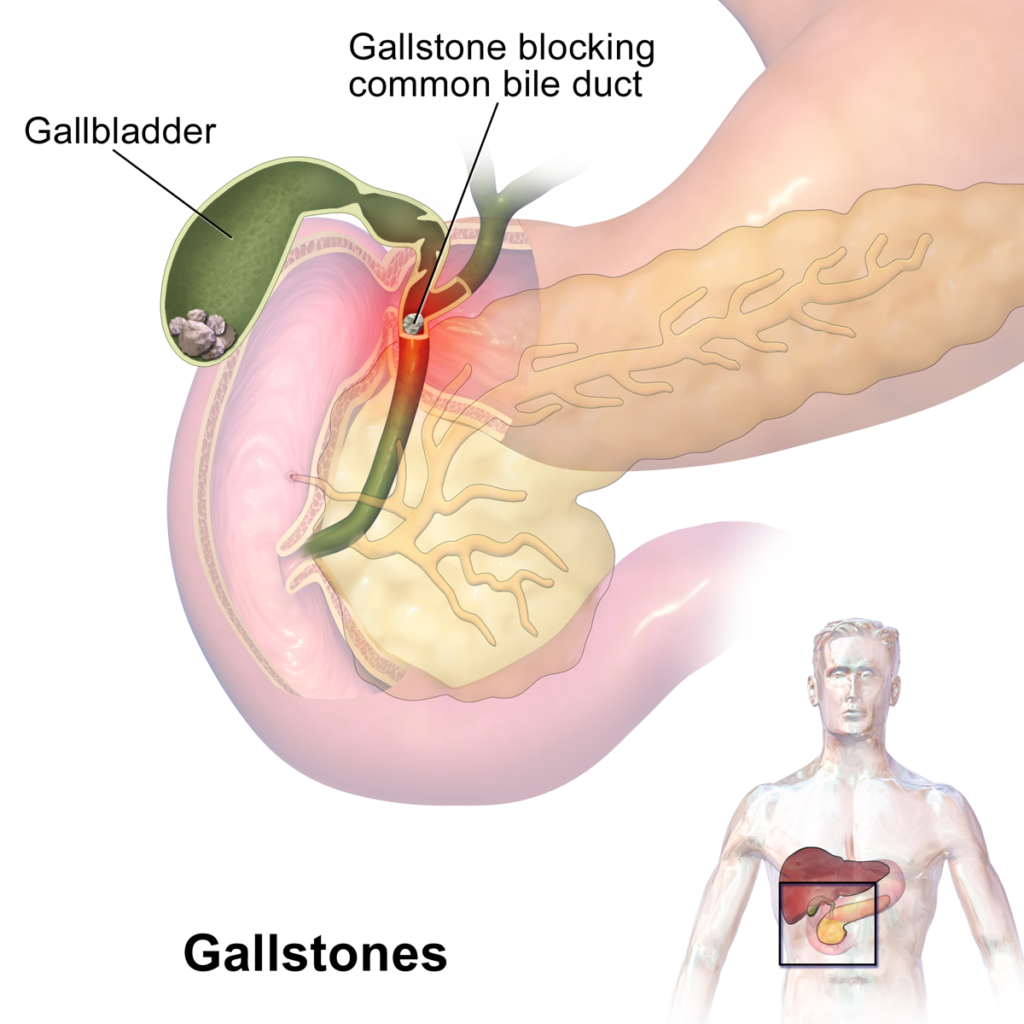
Gallstones form in the gallbladder, a small organ under the liver that stores bile for digestion. When bile becomes too concentrated or the gallbladder does not empty well, crystals can form and slowly grow into stones. This process can take months or years, and in many cases, people do not realize anything is happening until symptoms appear—or stones are found by accident during imaging for another problem.
What Is Cholerhiasis?
Cholerhiasis is a commonly used search term for what doctors call cholelithiasis. It refers to the presence of one or more gallstones in the gallbladder. These stones can be as small as grains of sand or as large as a golf ball.
There are three main types of gallstones:
- Cholesterol stones, the most common type
- Pigment stones, formed from excess bilirubin
- Mixed stones, containing cholesterol, bilirubin, and calcium salts
Most stones begin as tiny particles, sometimes called biliary sludge or microlithiasis, especially when bile sits in the gallbladder for too long. Over time, these particles can clump together and harden.
Why Do People Develop Cholerhiasis?
Gallstones develop when the balance of substances in bile is disturbed. This usually happens in one or more of the following ways:
- Bile contains too much cholesterol or bilirubin
- The gallbladder does not empty completely or often enough
- The balance of bile salts changes, making cholesterol less soluble
Large clinical studies and medical guidelines consistently show certain risk factors. These include obesity, rapid weight loss, pregnancy, use of estrogen-containing medications, diabetes, increasing age, and family history. These factors influence how the body handles cholesterol and bile.
How Common Is This Condition?
Whether called cholerhiasis or cholelithiasis, gallstones are among the most common digestive disorders worldwide. In many populations, around 10 to 15 percent of adults have gallstones. Most never develop symptoms and may never know they have them.
With the widespread use of ultrasound and CT scans, doctors now find gallstones more often by chance. Major medical references, including those used in hospitals and medical schools, agree on one key point: the majority of people with gallstones will remain symptom-free for life.
From Here On: Using the Correct Term — Cholelithiasis
In medical practice, the correct and precise term is cholelithiasis. From this point forward, this article uses the standard medical term while continuing to refer to the same condition many people search for as cholerhiasis.
Symptoms of Cholelithiasis
Most people with cholelithiasis have no symptoms. Problems begin when a stone moves and temporarily blocks the opening of the gallbladder or a bile duct. This causes what doctors call biliary colic.
Typical features include:
- Sudden, intense pain in the right upper or middle upper abdomen
- Pain that often starts after eating, especially fatty meals
- Pain that can spread to the back or right shoulder
- Nausea or vomiting
- Pain lasts from 30 minutes to several hours before easing
This pain is not mild discomfort. Many patients describe it as one of the most severe pains they have experienced.
Symptoms vs. Warning Signs
| Intermittent upper abdominal pain | Fever with abdominal pain |
| Pain after fatty meals | Yellowing of skin or eyes (jaundice) |
| Nausea or bloating | Persistent vomiting |
| Pain that resolves in hours | Severe, worsening, or constant pain |
Warning signs may indicate complications such as gallbladder inflammation (cholecystitis), bile duct infection (cholangitis), or pancreatitis due to a blocked duct. These situations require urgent medical care.
How Cholelithiasis Is Diagnosed
The first-line test for suspected cholelithiasis is ultrasound. It is fast, painless, and highly accurate for detecting gallstones in the gallbladder.
Doctors often order blood tests to check for signs of infection, liver blockage, or pancreatic inflammation. If a stone in the bile duct is suspected, more advanced imaging, such as MRCP, may be performed. In some cases, ERCP is performed to both detect and remove stones from the bile ducts.
Clinical guidelines from major gastroenterology and surgical organizations emphasize matching the test to the symptoms, rather than treating every incidental finding.
Treatment Options
Treatment depends on whether cholelithiasis is causing symptoms or complications.
No Symptoms
If gallstones are found by chance and cause no problems, no treatment is usually needed. Long-term studies show that most people in this group never develop symptoms.
Symptomatic Cholelithiasis
When gallstones cause repeated pain or complications, treatment is recommended. Options include:
- Pain control during acute attacks
- Laparoscopic cholecystectomy, the surgical removal of the gallbladder, is the standard treatment
- Ursodeoxycholic acid in selected cases with small cholesterol stones, though results are slow, and stones can return
- ERCP to remove stones from the bile ducts when present
Surgical societies worldwide consider laparoscopic gallbladder removal a routine and safe procedure, with most patients going home the same day or the next.
Life After Gallbladder Removal
The gallbladder helps store bile, but it is not essential for digestion. After removal, bile flows directly from the liver into the intestine. Most people digest food normally, though some notice temporary changes such as looser stools, especially after fatty meals. These effects usually improve over time.
Doctors often recommend smaller meals and moderate fat intake during recovery.
When to See a Doctor
You should seek medical care if you experience:
- Recurrent upper abdominal pain, especially after eating
- Pain with fever, jaundice, or vomiting
- A known history of gallstones with new or worsening symptoms
Early treatment can prevent serious complications and the need for emergency surgery.
Outlook
Cholelithiasis is common, often silent, and highly treatable when complications arise. Modern imaging and minimally invasive surgery have made both diagnosis and treatment safer and more precise than ever. Recognizing symptoms early remains the best way to avoid serious complications.
FAQs
Is cholerhiasis the same as cholelithiasis?
Yes. Cholerhiasis is a commonly used term, but the correct medical term is cholelithiasis.
Can you have gallstones without symptoms?
Yes. Most people with gallstones never develop symptoms and do not need treatment.
What causes gallstone pain?
Pain occurs when a stone blocks bile flow, usually after a meal.
Is gallbladder removal safe?
Yes. Laparoscopic cholecystectomy is a standard, low-risk procedure with high success rates.
Can gallstones come back after surgery?
Once the gallbladder is removed, gallstones cannot return, though rare bile duct stones can still form.