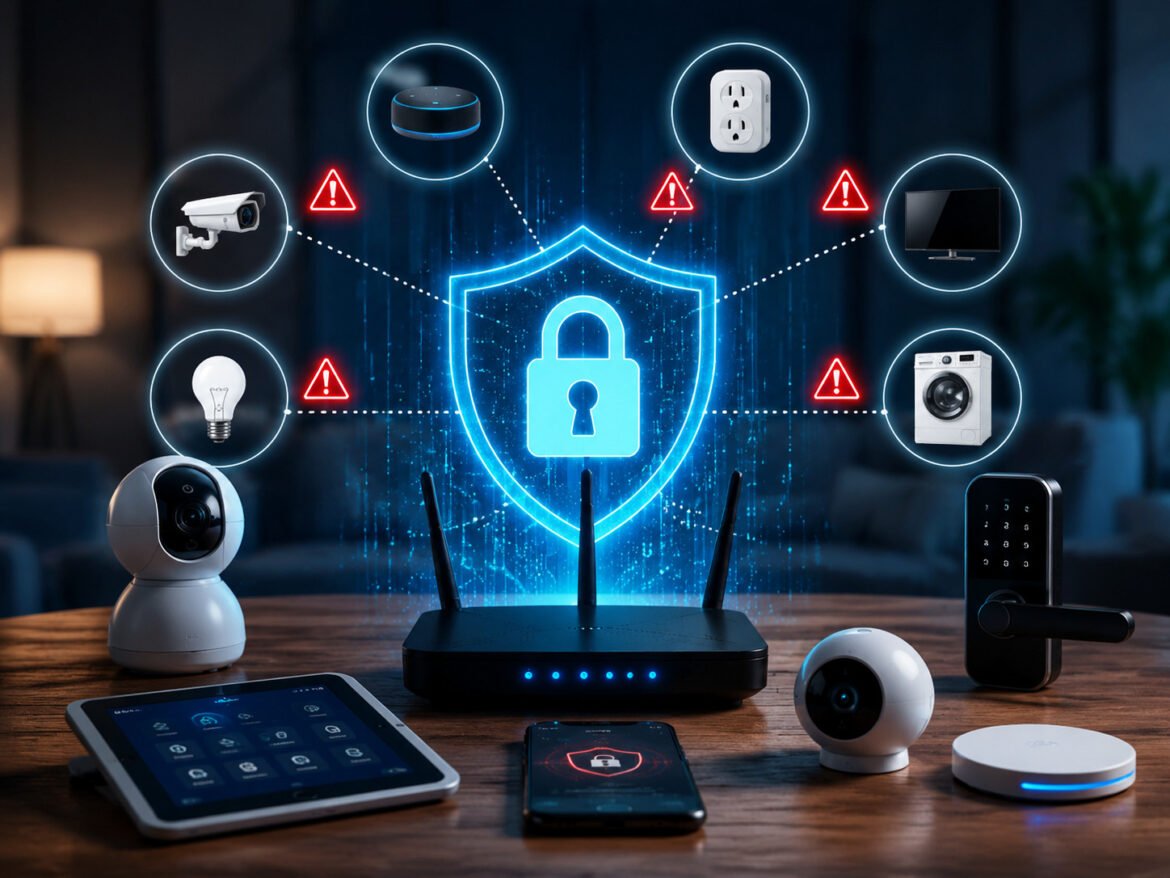
The modern world is full of smart devices like smart TVs, smart watches, home cameras, and voice assistants. These devices are part of the Internet of Things (IoT), and they are connected to the internet to make life easier. But many people do not understand one important question: what risk is posed by internet of things devices in daily life, homes, and businesses. While IoT devices bring comfort and automation, they also create serious security and privacy dangers that can affect anyone.
Why IoT Devices Become Easy Targets for Hackers
IoT devices are often designed to be cheap and simple, not highly secure. Many companies focus on features instead of protection. This makes them easy targets for hackers. Devices like smart cameras, printers, and home assistants often run with weak security settings.
A major issue is that users do not always update their devices. According to cybersecurity reports, many attacks happen because devices still use old software. When hackers find these weak points, they can enter the system and take control without being noticed.
Weak Passwords and Default Settings Create Big Security Gaps
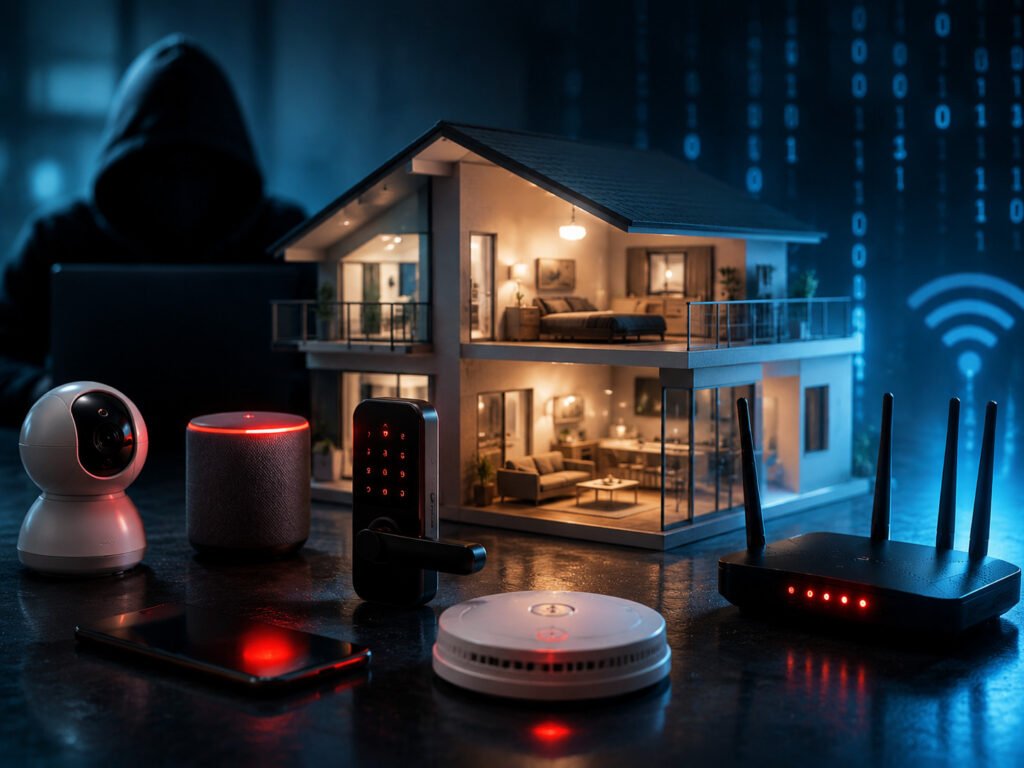
One of the most common problems is default passwords. Many IoT devices come with simple logins like “admin” or “1234.” Users often forget to change them. Hackers can easily guess or find these passwords online.
This is a major reason why what risk is posed by internet of things devices becomes a serious concern in smart homes. Once a hacker enters one device, they may try to access other connected devices on the same network.
Firmware Problems and Lack of Software Updates
IoT devices need regular updates to stay secure. But many manufacturers do not provide long-term support. Some devices never receive updates after they are sold.
This creates a dangerous situation where old security bugs stay open. Hackers actively search for these weak devices. When they find one, they can install malware or take control of the device. This is why outdated firmware is one of the biggest risks in IoT systems.
Privacy Risks from Always-Connected Smart Devices
Smart devices collect a lot of personal data. This includes voice recordings, location, health data, and daily habits. For example, a smart watch may track heart rate, while a smart speaker listens for voice commands.
If this data is not properly protected, it can be stolen or misused. Companies may also share data with third parties. This raises serious privacy concerns and is a key reason people ask what risk is posed by internet of things devices in modern life.
Botnet Attacks and Large-Scale Cyber Threats
IoT devices can be used in large cyber attacks called botnets. A famous example is the Mirai Botnet Attack (2016), where thousands of IoT devices were hacked and used to attack websites.
In a botnet, infected devices work together to send massive traffic to a target server. This causes a DDoS (Distributed Denial of Service) attack, which can shut down websites or online services. Most users do not even know their devices are being used in these attacks.
Network Risks When Many Devices Share One Connection
In many homes and offices, all IoT devices are connected to the same Wi-Fi network. This creates a serious risk. If one device is hacked, attackers may move to other devices like laptops or phones.
This is called “lateral movement” in cybersecurity. It means hackers use one weak device as a gateway to the full network. This is another reason what risk is posed by internet of things devices is not just about one device but the whole system.
Malware Infections and Silent Device Damage
IoT devices can also be infected with malware. Malware is harmful software that can damage systems or steal information. Once inside a device, it can slow performance, change settings, or even spread to other devices.
Some malware is designed to stay hidden for a long time. It collects data silently and sends it to hackers. Because many IoT devices do not have strong antivirus protection, they are more vulnerable than computers.
Physical Safety Risks from Smart Devices
Some IoT devices control real-world systems. Examples include smart locks, smart cars, industrial machines, and security systems. If hackers take control of these devices, the damage can be physical, not just digital.
For example, a hacked smart lock could allow someone to enter a home without permission. In factories, hacked machines could stop production or create unsafe conditions. This makes IoT security very important for safety, not only privacy.
Real-World Lesson: IoT Security Failures
One major lesson comes from the Mirai Botnet Incident, where insecure IoT devices were used to crash major websites. This showed that even small devices like routers and cameras can become part of a global attack.
Experts from cybersecurity agencies like CISA (Cybersecurity and Infrastructure Security Agency) have warned that IoT devices must be properly secured with strong passwords and regular updates to prevent similar attacks.
How to Reduce Risks from IoT Devices
To reduce danger, users should follow simple safety steps. Always change default passwords and use strong ones. Keep devices updated whenever new software is available. Also, separate IoT devices from important computers using guest Wi-Fi networks.
Using trusted brands also helps because they usually provide better security support. These simple actions can greatly reduce risks and make IoT devices safer to use.
Conclusion
So, what risk is posed by internet of things devices? The answer is clear: IoT devices can face hacking, privacy loss, malware attacks, botnet usage, and even physical safety threats. However, these risks can be controlled with proper security habits.
IoT technology is powerful and useful, but it must be used carefully. With strong passwords, updates, and smart network settings, users can enjoy smart devices while staying safe.
Read More: What Is a Mechanical Keyboard? Key Features and Buying Tips
FAQs
What risk is posed by internet of things devices in simple words?
IoT devices can be hacked, used in attacks, or leak personal data if not secured properly.
Why are IoT devices easy to hack?
They often use weak passwords, old software, and poor security settings.
Can IoT devices be used in cyber attacks?
Yes, hacked IoT devices can become part of botnets used for DDoS attacks.
How can I protect my IoT devices?
Use strong passwords, update software, and secure your Wi-Fi network.
Do IoT devices collect personal data?
Yes, many IoT devices collect data like location, voice, and health information.